 By admin
INTRODUCTION
The frost of a Chicago winter in the late 1960s did little to dampen the rhythm of a young man walking the streets of Maywood, Illinois. Carrying a heavy leather satchel, John Prine spent his daylight hours as a civil servant, delivering letters to the suburban masses. However, within the rhythmic cadence of his footsteps, he was silently constructing verses that would eventually dismantle the artifice of popular songwriting. He did not seek the stage out of a thirst for fame, but rather as a dare among friends at an open mic night, carrying with him songs that felt less like compositions and more like weathered artifacts of the American experience.
THE DETAILED STORY
When Prine first sat under the dim lights of the Chicago folk circuit, he was an anomaly. While his contemporaries were often preoccupied with the sweeping political grandiosity of the era, Prine turned his meticulous gaze toward the quiet, often ignored paradoxes of domestic life. He possessed an uncanny ability to find the profound within the mundane, writing with a literary precision that suggested a lifetime of observation rather than the musings of a twenty-something postal worker. His early repertoire included “Hello in There” and “Sam Stone”—pieces so structurally sound and emotionally resonant they seemed to have existed for decades before he ever put pen to paper.
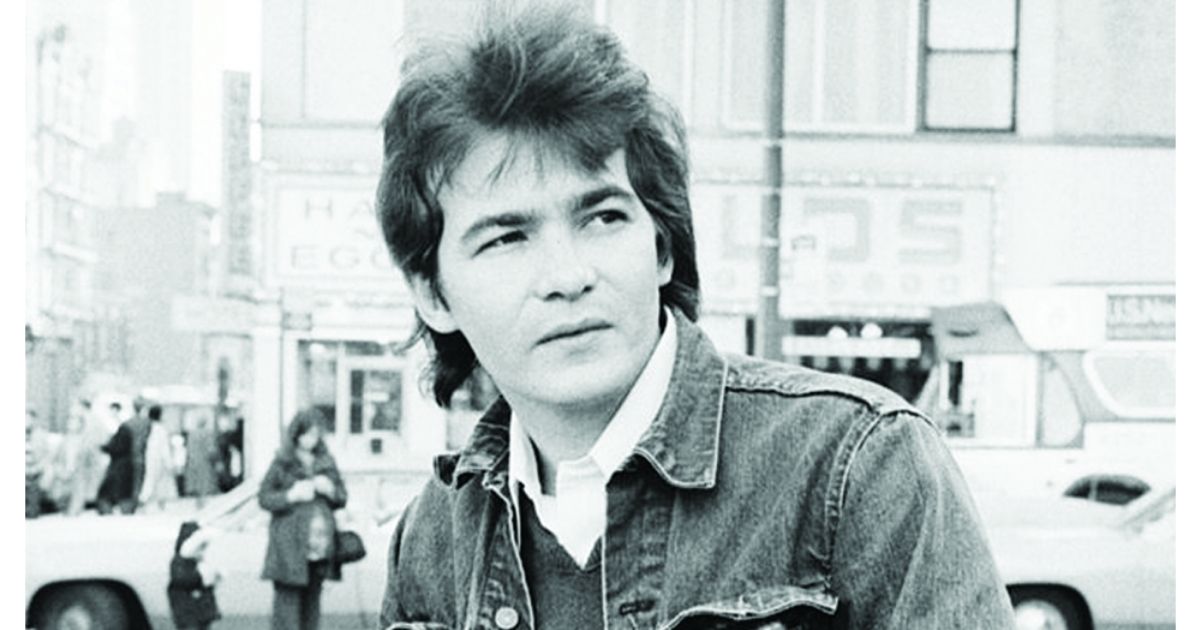
The turning point arrived when Roger Ebert, the famed film critic, wandered into a Prine set and found himself so transfixed that he penned a glowing review for the Chicago Sun-Times. This serendipitous endorsement elevated Prine from a local curiosity to a national prospect almost overnight. Despite the sudden influx of industry attention, Prine maintained an understated demeanor, a quality that became the hallmark of his narrative architecture. He refused to lean on the crutch of sentimentalism, opting instead for a dry, midwestern wit that allowed his audience to find their own reflections within his lyrics.
His debut self-titled album, released in 1971, served as a masterclass in economy and nuance. Kris Kristofferson once remarked that Prine wrote songs so good “we’ll have to break his fingers,” a testament to the technical intimidation his peers felt in the presence of such effortless brilliance. Prine did not just write songs; he built rooms for people to live in, furnished with the familiar furniture of loneliness, humor, and dignity. This initial phase of his career was not merely a transition from mail delivery to music; it was the establishment of a new paradigm in songwriting where the smallest details—a linoleum floor, a veteran’s hollow gaze, a bowl of oatmeal—carried the weight of the infinite.