 By admin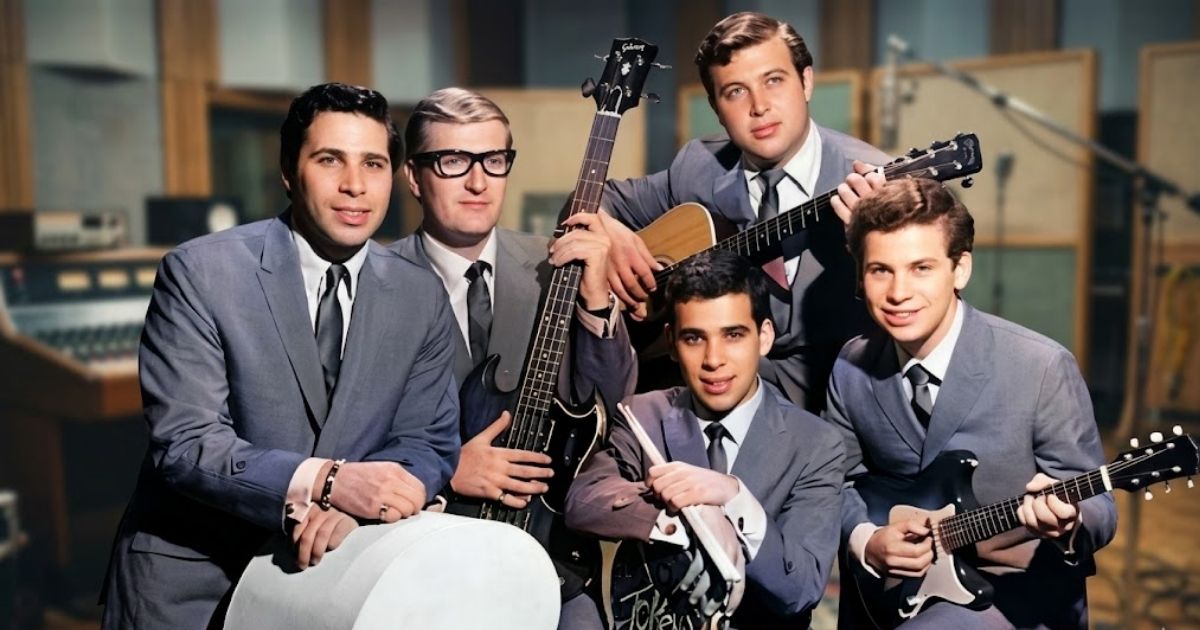
INTRODUCTION
On a sweltering afternoon in a New York City recording studio in 1961, four young men from Brooklyn, known as The Tokens, stood before a microphone to attempt a song that felt like an outlier in the burgeoning doo-wop scene. The track, rooted in a 1939 Zulu composition titled “Mbube” by Solomon Linda, was initially viewed by the band as a mere “B-side” or a whimsical experiment. However, the moment Jay Siegel unleashed his soaring, operatic falsetto against the rhythmic, driving chant of “wimoweh,” the atmosphere in the room crystallized into something monumental. It was no longer just a studio session; it was the birth of a sonic skyscraper. This specific recording would eventually traverse decades and continents, evolving from a simple folk melody into a $100 million-plus cultural juggernaut that remains one of the most recognizable pieces of music in human history.
THE DETAILED STORY
The narrative of “The Lion Sleeps Tonight” is a masterclass in cross-cultural architecture and industry intuition. According to historical data from Billboard and Variety, the single hit number one on the Billboard Hot 100 on 12/18/1961, holding the position for three consecutive weeks. The architectural brilliance of the track lies in its layering; producers Hugo Peretti and Luigi Creatore added a soprano vocal obligato and a sophisticated orchestral arrangement that elevated the raw folk roots into a polished, high-contrast pop masterpiece. While the song’s origins were humble, its impact was anything but. The Hollywood Reporter notes that the song’s inclusion in major cinematic franchises, most notably Disney’s “The Lion King,” catapulted its earnings and cultural relevance into a stratosphere rarely reached by 1960s vocal groups.
However, beneath the upbeat, major-key harmonies lies a complex history of intellectual property and creative evolution. The Tokens’ version was based on an adaptation by Pete Seeger and The Weavers, but it was Siegel’s pristine vocal delivery that provided the definitive “American” sound that radio stations craved. The song’s longevity is statistically staggering, with over 40 million copies sold across various iterations and a digital footprint that exceeds billions of streams in the modern era. Industry analysts often cite this track as the blueprint for “World Music” crossover success, demonstrating how a localized rhythm can be re-engineered for a global audience without losing its visceral, primal appeal.
For The Tokens, the song became both a legacy and a standard. It transformed them from a local vocal quartet into international ambassadors of the Brooklyn doo-wop sound. The track’s success proved that in the early 1960s, despite the looming British Invasion, there was an inexhaustible appetite for high-concept, harmonically dense arrangements. By synthesizing African heritage with American pop sensibility, The Tokens created a permanent fixture in the global zeitgeist—a song that continues to wake the “sleeping lion” of nostalgia in every generation that encounters its unmistakable refrain.