 By admin
INTRODUCTION
A weather-worn leather satchel, sequestered for decades, recently surrendered its contents to the curators of the Johnny Cash Museum in Nashville. Within lie several dozen handwritten letters penned by Cash to June Carter during his grueling European circuits of the late 1960s. These are not the polished communiqués of a global superstar, but the raw, ink-stained meditations of a man navigating the cavernous distance between the roar of a sold-out crowd and the crushing silence of a hotel room. The acquisition represents a definitive shift in our understanding of the Cash-Carter dynamic, moving past the cinematic tropes of their romance into a more meticulous study of emotional sustenance.
THE DETAILED STORY
The significance of these documents lies in their chronological precision. Written during a period of intense professional expansion and personal turbulence, the letters serve as a structural counterweight to Cash’s public image of stoic rebellion. He writes with a surprising degree of nuance, detailing the mundane rhythms of life on the road—the taste of stale coffee in Berlin, the grey light over the Thames—only to pivot into profound declarations of spiritual and romantic dependency. One particular entry, dated during a winter tour through Scandinavia, describes his longing not as a sentimental whim, but as a “necessary gravity” that kept his psyche tethered while his physical body moved across borders.
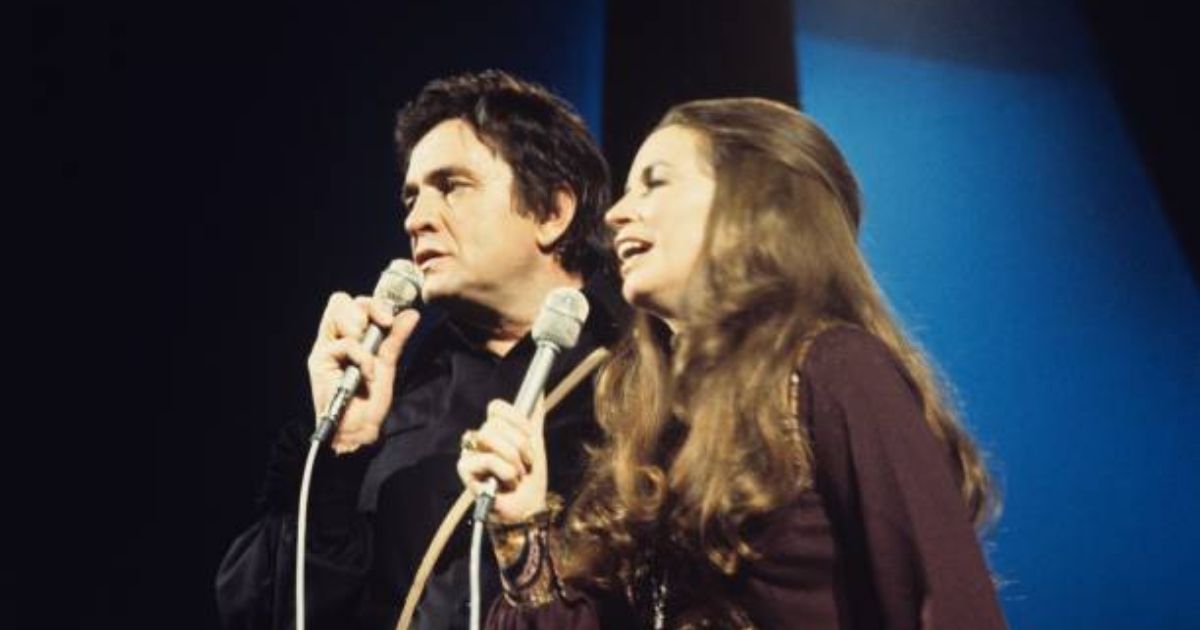
This collection effectively deconstructs the myth of the solitary outlaw. Through these pages, we observe a man meticulously constructing a sanctuary of words to survive the exhaustion of his own fame. He discusses the “noise” of the industry with a weary intellectualism, contrasting it against the “quiet truth” he associated with Carter. The narrative tension within the letters is palpable; as his career reached its zenith, his internal dialogue became increasingly focused on the preservation of a singular, private connection. Every paragraph answers the question of how he maintained his resolve, yet simultaneously raises a new one: how much of the “Man in Black” was a protective shell for the sensitive epistolary poet revealed in these archives?
As these artifacts prepare for public display next week, they offer more than a glimpse into a celebrity marriage. They provide a case study in the architecture of devotion. In an era of ephemeral digital communication, the permanence of Cash’s ink on yellowing paper serves as a reminder that legacy is often built in the quiet intervals between the spotlights. The letters do not merely supplement the history of American music; they provide the emotional blueprint for the songs we thought we already understood.