 By admin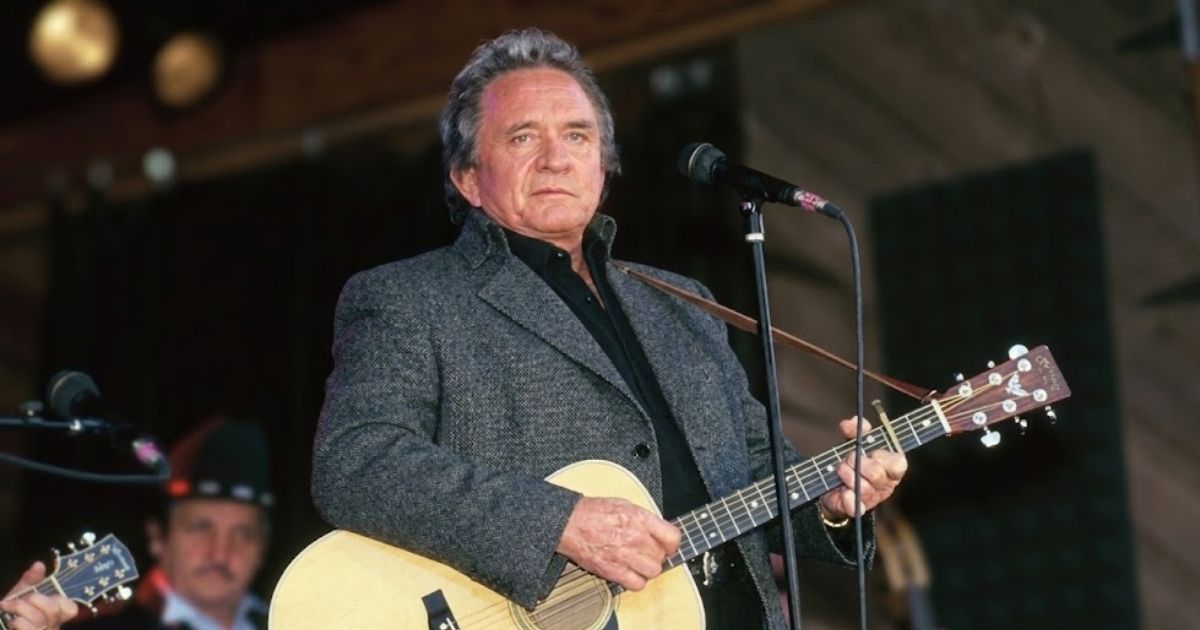
INTRODUCTION
The morning air at Baptist Hospital in Nashville, Tennessee, carried the weight of an era’s conclusion. At 2:00 AM CT on September 12, 2003, Johnny Cash, the towering “Man in Black,” succumbed to respiratory failure resulting from complications of diabetes. He was 71 years old. His passing came a mere four months after the death of his beloved wife and creative anchor, June Carter Cash, marking a poignant final chapter to one of the most storied romances in music history. The world did not just lose a singer; it lost a moral compass that pointed toward the raw, unvarnished truths of the human condition. From the gravel in his voice to the stark black of his attire, Cash remained a singular force of gravity in a shifting cultural landscape.
THE DETAILED STORY
Johnny Cash’s final years were a masterclass in artistic defiance. Despite the debilitating effects of autonomic neuropathy and declining physical health, he remained tethered to his craft under the guidance of producer Rick Rubin. This partnership, solidified through the American Recordings series, stripped away the artifice of Nashville production, leaving only the haunting resonance of a man facing his own mortality. His final masterpiece, a stark rendition of Nine Inch Nails’ “Hurt,” became the definitive visual and auditory epitaph for his career. The music video, filmed at his home in Hendersonville, Tennessee, displayed a frail but fierce Cash surrounded by the trophies of a lifetime, confronting the “empire of dirt” with a dignity that moved audiences across all demographic divides.
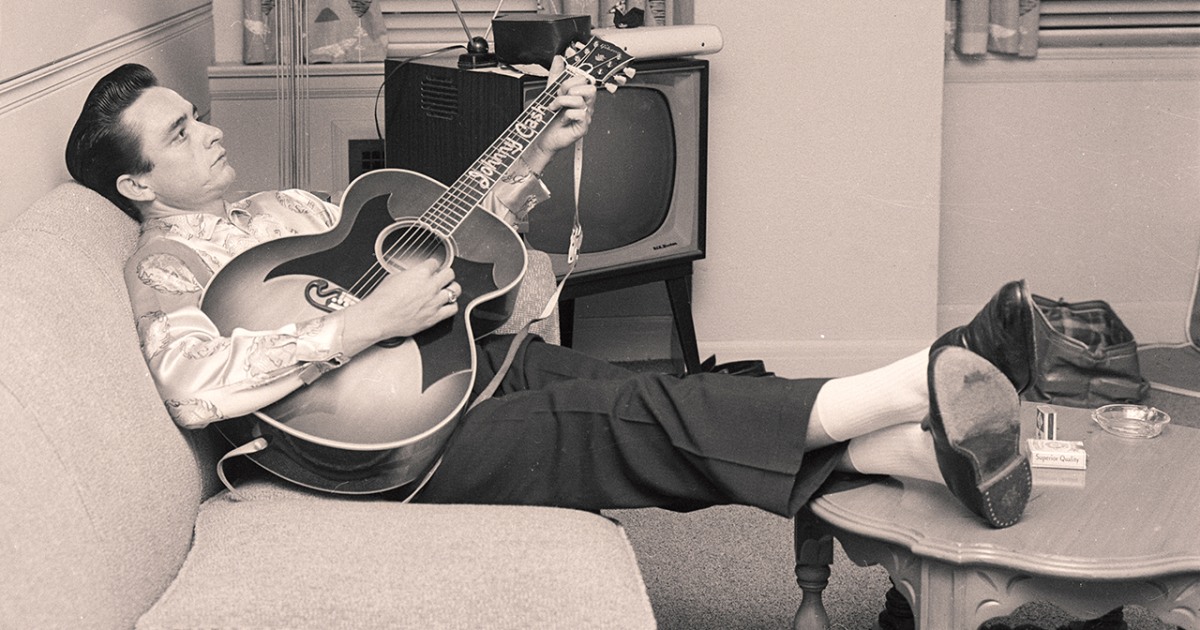
The industry’s reaction to his passing was instantaneous and profound. Records from Billboard and Variety documented a global outpouring of grief that transcended genre. Cash was that rare entity: a member of the Country Music Hall of Fame, the Rock and Roll Hall of Fame, and the Gospel Music Hall of Fame. His career, which ignited at Sun Records in 1955 alongside Elvis Presley and Jerry Lee Lewis, had come to define the American spirit—rugged, rebellious, yet deeply repentant.
Throughout his journey, Cash stood as a champion for the disenfranchised, famously performing at Folsom Prison and San Quentin, and using his platform to advocate for Native American rights and prison reform. His financial legacy, estimated in the millions of USD, was secondary to the cultural capital he accrued as a voice for the voiceless. On that quiet Friday in Nashville, as the sun rose over the Tennessee hills, the Man in Black finally traded his earthly struggles for a permanent place in the pantheon of legends. The vacancy he left in the heart of American music remains unfilled, a testament to a life lived with unwavering integrity and a soul that resonated at a frequency only the truly authentic can reach. For those seeking to hear his voice in its most wandering, storytelling essence, his rendition of the Australian folk classic remains a vital listen.