 By admin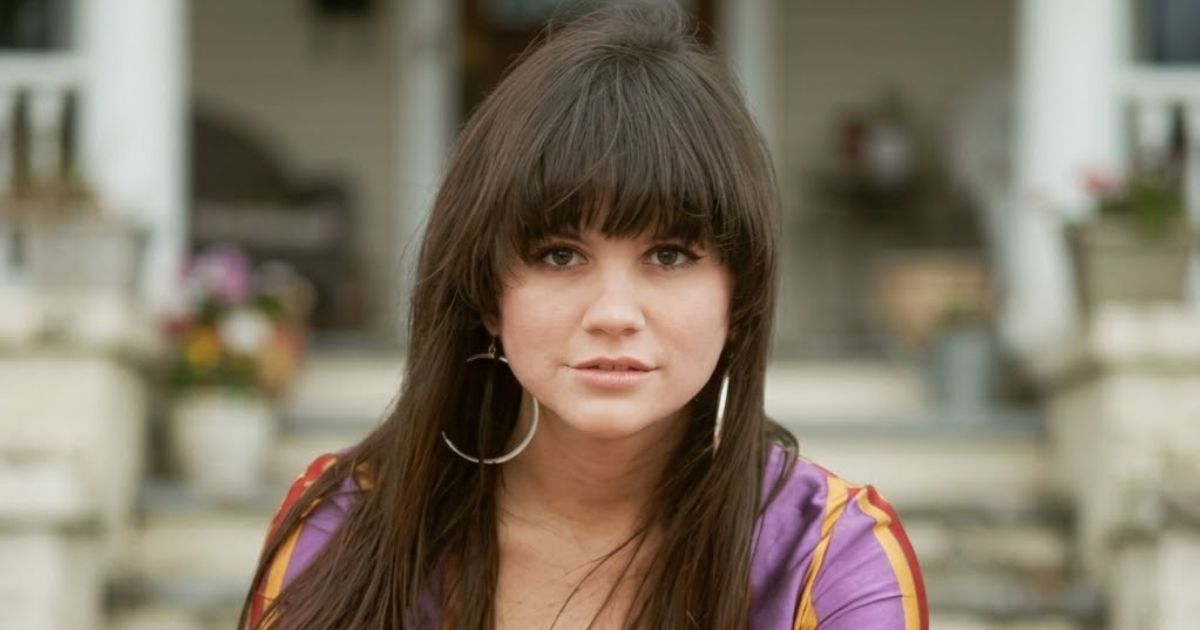
INTRODUCTION
In the autumn of 1967, the airwaves of Los Angeles were pierced by a voice that possessed both the clarity of a bell and the force of a gale. “Different Drum,” the breakout hit for the Stone Poneys, introduced the world to a twenty-one-year-old Linda Ronstadt, a performer who would eventually become the most versatile female vocalist of her generation. Originally penned by Mike Nesmith of The Monkees, the track was reimagined by Capitol Records as a sophisticated, harpsichord-driven piece of Baroque-pop. This was a radical departure from the folk-rock sensibilities of the era. The song did more than just climb the Billboard Hot 100; it served as a sonic manifesto. Ronstadt’s delivery was devoid of the submissive tropes common in 1960s girl-group pop, instead offering a cool, intellectual rejection of domestic stagnation that felt decades ahead of its time.
THE DETAILED STORY
The narrative of “Different Drum” is a study in creative tension and the birth of a superstar. While the Stone Poneys were initially a folk trio, Capitol Records executives—and specifically producer Nick Venet—recognized that Ronstadt was the gravitational center of the group. Despite the band’s internal hesitation to move away from their acoustic roots, the decision to utilize a complex, orchestral arrangement proved visionary. The song’s signature harpsichord intro, performed by Don Randi of the legendary “Wrecking Crew,” signaled a shift toward a more European, classical influence within the American counterculture. According to retrospective analyses in Variety and The Hollywood Reporter, the session was a $2,500 investment that yielded a multi-million-dollar legacy, peaking at No. 13 on the charts.
Lyrically, the song flipped the script on the “jilted lover” narrative. Instead of mourning a breakup, Ronstadt’s protagonist proactively ends a relationship to preserve her own identity, famously stating she is “not in the market for a boy who wants to love only me.” This autonomy became the hallmark of Ronstadt’s career, which saw her effortlessly pivot between rock, country, opera, and traditional Mexican mariachi. The success of “Different Drum” effectively signaled the end of the Stone Poneys and the beginning of Ronstadt’s solo dominance. It remains a pivotal moment in music history where a female artist utilized a song written by a man to articulate a uniquely feminine brand of freedom. Decades later, the track is cited by Billboard as one of the “Greatest Songs of 1967,” standing as a testament to the moment the “Queen of Rock” first claimed her throne.