 By admin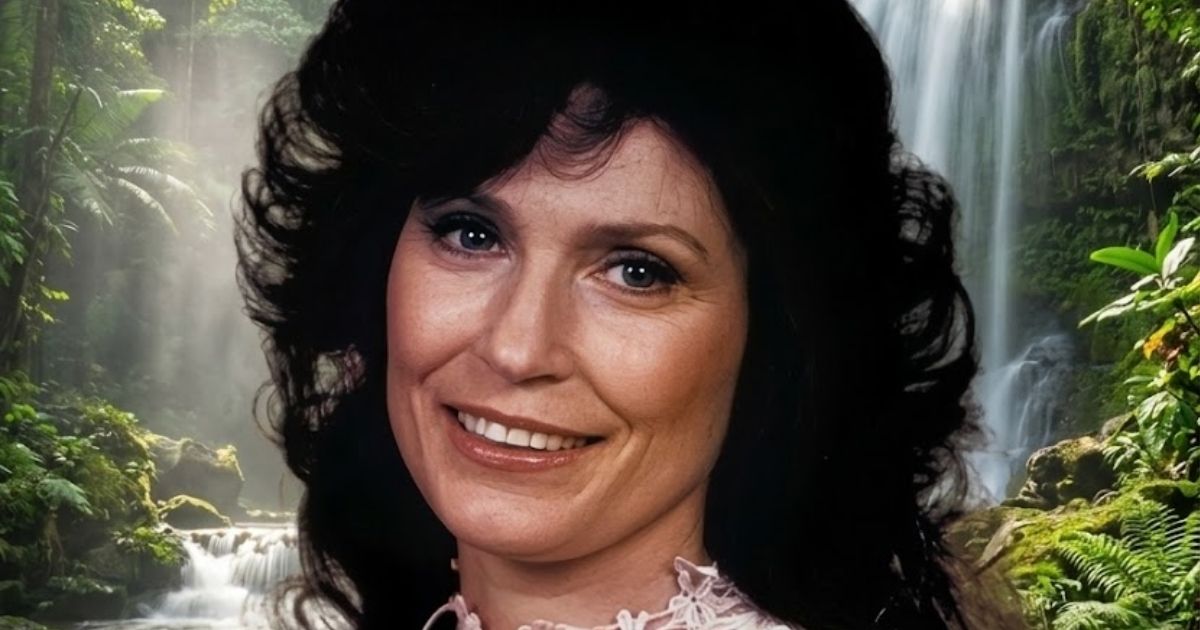
INTRODUCTION
The texture of a 1970s stage—the shimmering sequins of a custom-tailored gown and the earnest grit in a coal miner’s daughter’s gaze—has historically been softened by the limitations of analog broadcast tape. However, on March 05, 2026, the official digital estate of Loretta Lynn disrupted this aesthetic haze by unveiling a meticulously restored 4K version of the seminal special, Loretta Lynn: The Lady and the Legend. This digital resurrection does more than sharpen the image; it recalibrates the historical lens on a woman who transformed the Nashville establishment through sheer, unadorned truth-telling long before modern empowerment narratives became an industry standard.
THE DETAILED STORY
The restoration project, which processed original master reels through advanced neural enhancement, captures Lynn at the absolute zenith of her vocal and cultural influence. During the 1970s, Lynn was navigating a complex paradigm, balancing her identity as a traditional country artist with her role as a transgressive songwriter who tackled subjects like reproductive agency and domestic autonomy. The 4K footage reveals a meticulous level of detail in her performances, allowing viewers to witness the subtle micro-expressions of a performer who was simultaneously a superstar and a revolutionary. By presenting these moments with modern clarity, the archive effectively removes the “nostalgia filter,” making her radical lyricism feel immediate and startlingly contemporary.

The decision to release this specific special serves a dual purpose: it acts as both a historical preservation and a strategic introduction for a younger demographic. For a generation accustomed to the high-stakes transparency of social media, Lynn’s narrative offers a profound resonance. Each song in the special answers a contemporary question about the origins of female independence in the arts, raising subsequent inquiries into how one woman from Butcher Hollow managed to bypass the gatekeepers of her era. The clarity of the 4K render highlights the “Legend” in her title, but the raw honesty of the performance reminds the audience of the “Lady” who refused to be silenced.
Ultimately, the restoration of The Lady and the Legend serves as an authoritative statement on the permanence of Lynn’s impact. It is a sophisticated bridge between the analog past and the digital future, ensuring that the visual record of her career is as sharp as the pen she used to write it. As the footage concludes with her standing center stage, the lingering thought is one of inevitable triumph: Loretta Lynn was never just a product of her time; she was the architect of a future she would not live to see fully realized, but one that is now visible in stunning, high-definition detail.