 By admin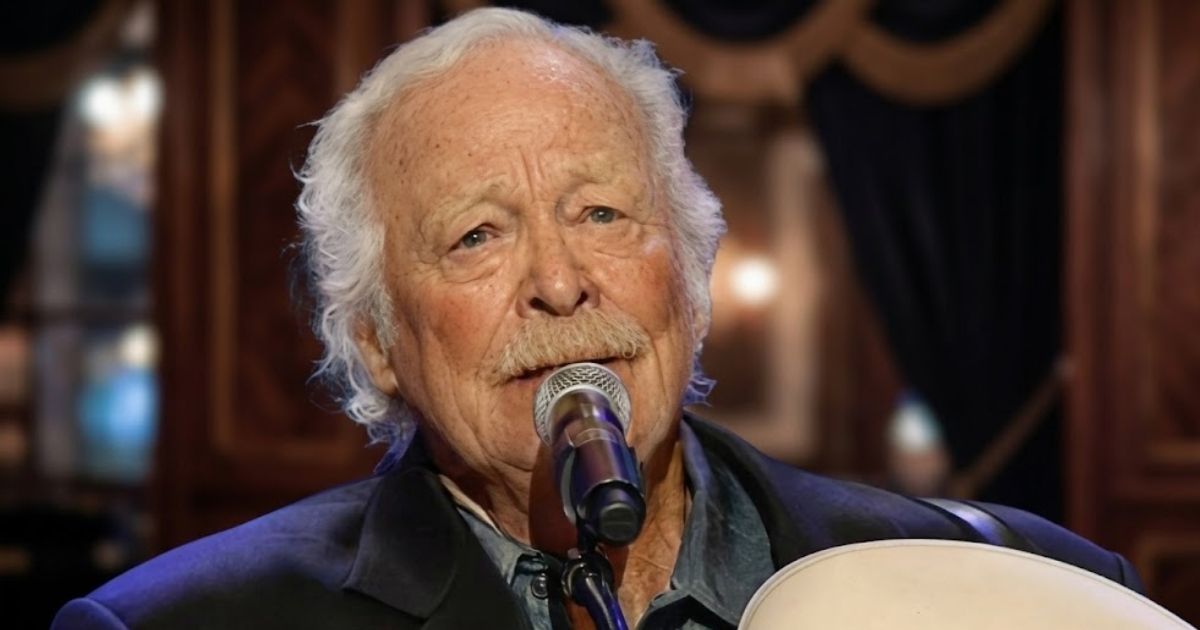
INTRODUCTION
The familiar resonant baritone of Alan Jackson has always served as a structural pillar for traditional country music, but in recent months, that voice has been bolstered by a renewed sense of physical purpose. Within the rehearsals for his monumental “Last Call: One More for the Road – The Finale,” Jackson has demonstrated a meticulous commitment to his craft that defies the limitations of Charcot-Marie-Tooth (CMT) disease. For a man who built a $150,000,000 empire on the quiet dignity of the working class, his current regimen is not merely about a medical “treatment protocol,” but about the structural integrity of a farewell that honors three decades of narrative excellence.
THE DETAILED STORY
The narrative surrounding Jackson’s health has transitioned from one of quiet concern to a paradigm of public advocacy and resilience. Diagnosed over a decade ago with CMT—a chronic, genetic condition affecting peripheral nerves—Jackson has been candid about the challenges of maintaining balance and mobility on stage. However, his recent “radiant” appearances in band rehearsals suggest a sophisticated management of the condition that allows him to remain the authoritative center of his ensemble. By integrating physical therapy with a meticulous stage design that prioritizes safety without sacrificing the aesthetic of a classic country show, Jackson is proving that the “Last Call” is a celebration of capability rather than a surrender to infirmity.

This final chapter of his touring career is strategically anchored by a sold-out performance scheduled for June 27, 2026, at Nashville’s Nissan Stadium. The event, which has already become a milestone in the American songbook, features a star-studded lineup including George Strait and Carrie Underwood, yet the focus remains fixed on Jackson’s own endurance. His ability to lead these high-stakes rehearsals underscores a vital nuance: while CMT is a degenerative journey, the veteran singer has utilized his platform to raise significant funds for the CMT Research Foundation (CMTRF). Every rehearsal is essentially a technical rehearsal for a larger philanthropic mission, turning his personal health battle into a public catalyst for a cure.
Ultimately, Jackson’s presence in the studio today reflects the same “Don’t Rock the Jukebox” stoicism that defined his rise in the early 1990s. He has replaced the physical agility of his youth with a seasoned, stationary power—a transition that his audience has accepted as part of his evolving legend. As he prepares to close the book on his touring life, he does so not as a figure of tragedy, but as a meticulous architect of his own ending. The lingering thought for his millions of fans is clear: Alan Jackson isn’t just finishing a tour; he is providing the definitive blueprint for how an icon exits the stage with his dignity, and his health, firmly in hand.