 By admin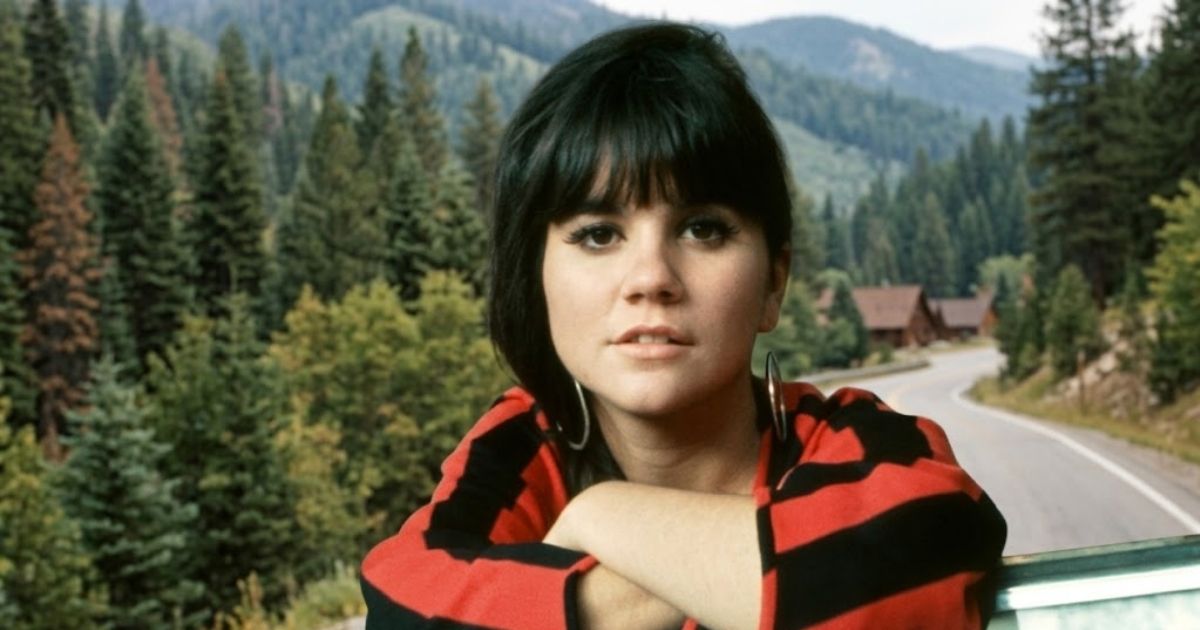
INTRODUCTION
The scent of salt air and the tactile grit of a Malibu canyon road are not merely nostalgic artifacts; they are the fundamental DNA of a recording career that defied the rigid genre silos of the twentieth century. This morning’s release of the limited-edition, translucent lemon-yellow vinyl of Silk Purse serves as more than a collector’s novelty—it is a meticulous restoration of a pivotal moment in 1970 when Ronstadt bridged the gap between Appalachian tradition and California’s burgeoning soft-rock elite. Accompanied by a rare, curated photobook, the release provides an intimate window into her life at the epicenter of the Laurel Canyon-Malibu axis, where the stakes were nothing less than the soul of American popular music.
THE DETAILED STORY
While the album’s cover—Ronstadt in a mud-caked farm setting—initially suggested a rustic simplicity, the music within was a sophisticated exercise in vocal mastery and subversive arrangement. The newly unearthed photographs included in this edition reveal a stark contrast to that rural imagery; they capture a woman navigating the complexities of sudden fame against the serene, intellectual backdrop of the Pacific coastline. In these frames, we see Ronstadt not as a passive muse, but as a meticulous architect of her own sound, often found in deep study of the phrasing required for “Long Long Time,” the track that would eventually secure her a Grammy nomination and solidify her status as a vocal powerhouse.
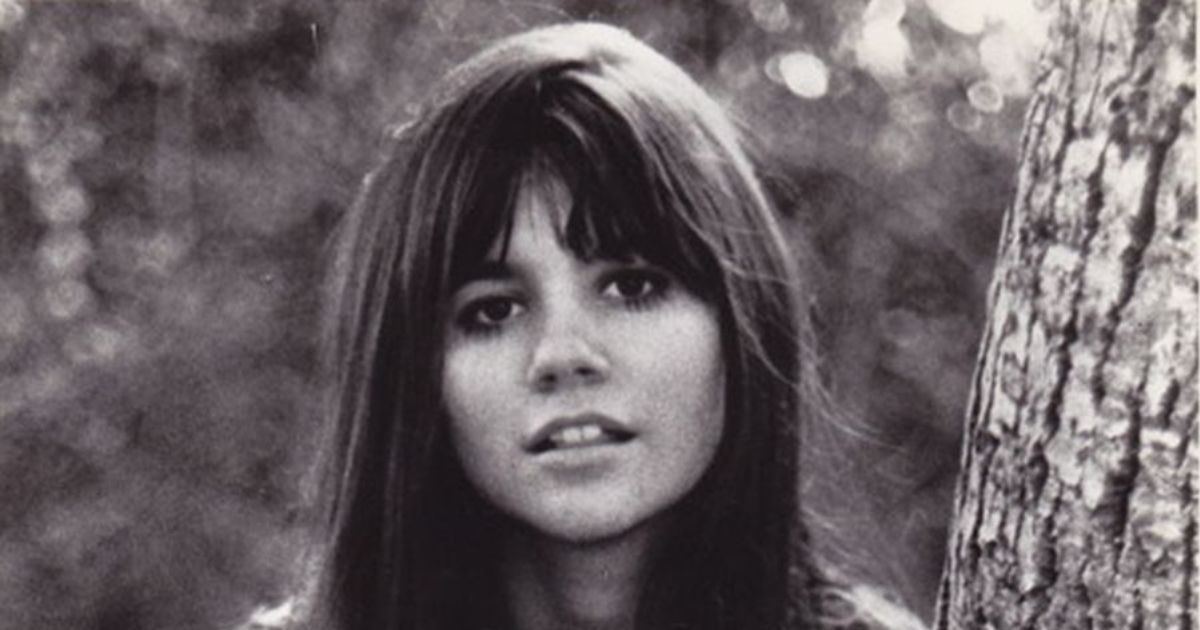
The choice of the lemon-yellow pressing is a deliberate nod to the radiant, high-noon energy of the 1970s Southern California lifestyle—a period when the proximity of artists like Jackson Browne and The Eagles created a fertile, competitive ecosystem. This reissue highlights the nuance of the Silk Purse sessions, recorded largely in Nashville to capture an authentic country heartbeat, yet polished with a West Coast sensibility that made the tracks palatable for Top 40 radio. It was a delicate balancing act that Ronstadt performed with an inevitable grace, proving that a “country” record could possess the sleek, aerodynamic qualities of a modern pop masterpiece.
Ultimately, this release serves as a definitive reminder of Ronstadt’s refusal to be categorized. As the photobook illustrates her quiet moments of reflection in Malibu, the listener is invited to consider the isolation that often accompanies such singular talent. The narrative of Silk Purse is not just about a girl and a pigpen; it is about the transition from a folk-rock ingenue to a formidable cultural force who understood that her greatest asset was her uncompromising vocal integrity. It leaves one to wonder: in an era of digital perfection, can any modern artist ever replicate the raw, sun-stained authenticity of Ronstadt’s analog prime?