 By admin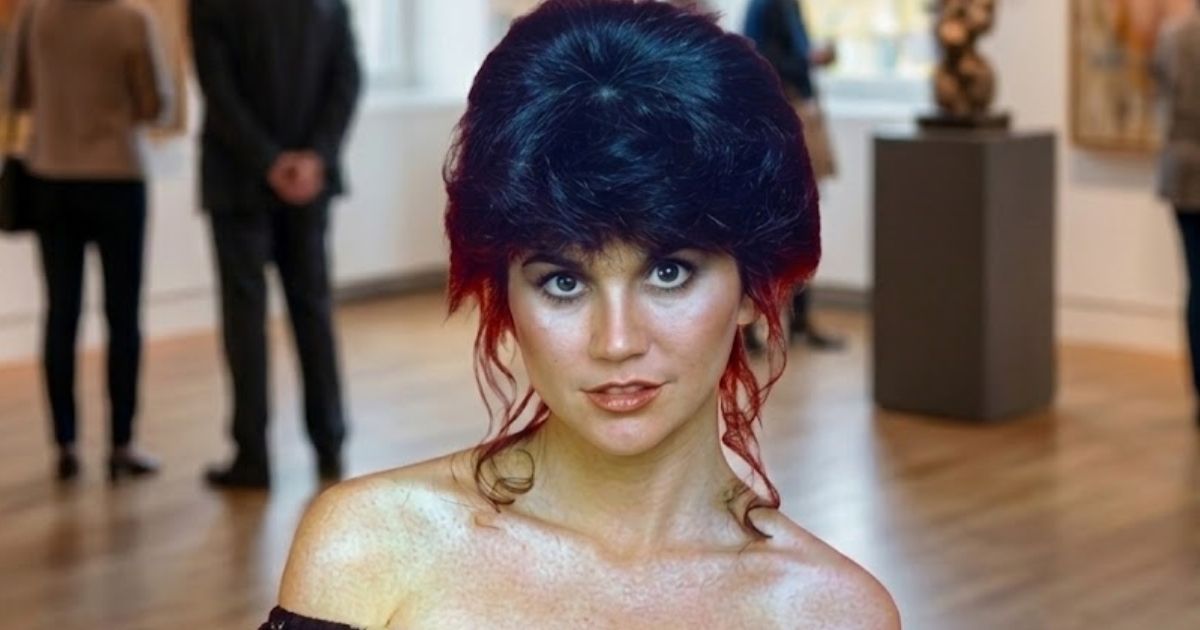
INTRODUCTION
The launch of the “Linda in the 70s” digital exhibition this March 2026 marks a meticulous archival triumph, presenting a curated selection of previously unreleased photography from the peak of Ronstadt’s cultural dominance. Specifically focused on the 1977 Simple Dreams tour, the collection moves beyond the standard concert stage shots to document the quiet, architectural moments of her life on the road. From the candid intimacy of hotel corridors to the high-stakes energy of backstage preparation, these images highlight a woman who was unconsciously architecting a new visual language for the female artist—one that blended a sophisticated California aesthetic with an uncompromising, professional intensity.
THE DETAILED STORY
The narrative of “Linda in the 70s” is fundamentally one of creative autonomy. In 1977, Ronstadt was the highest-paid woman in rock music, a position that demanded a careful balancing act between her massive public persona and her private artistic integrity. The exhibition answers the question of how she managed this duality through a series of “in-between” shots: Ronstadt studying a lyric sheet under the fluorescent hum of a dressing room, or meticulously adjusting the fit of her iconic Cub-scout uniform and prom-dress stage attire. These sartorial choices were not mere fashion statements; they were a form of visual armor that allowed her to dominate stadium stages while maintaining a sense of idiosyncratic self.

The technical brilliance of this digital exhibition lies in the high-resolution restoration of the original film negatives, which capture the grain and light of the 1970s with a nuance that feels startlingly contemporary. The tension within the photographs is palpable—the contrast between Ronstadt’s petite, soft features and the massive, industrial scale of the tour’s logistics. It raises a deeper inquiry into the nature of fame: how does an artist remain centered when they are at the focal point of such a vast cultural storm? The archives suggest that Ronstadt’s “style” was a direct extension of her musicality—unfussy, powerful, and deeply rooted in a specific sense of place.
As global audiences access the gallery, the collection serves as a definitive rebuttal to the idea that the 1970s were merely an era of excess. Instead, it reveals a meticulously managed career built on a foundation of intellectual curiosity and aesthetic precision. Ronstadt may have stepped away from the microphone due to health challenges in recent years, but “Linda in the 70s” ensures that her influence as a visual and vocal pioneer remains an immutable part of the American canon.