 By admin
INTRODUCTION
At 92 years of age, Willie Nelson continues to dismantle the traditional boundaries of career longevity with a quiet, unrelenting efficiency. This morning, his latest studio project, The Border, officially secured the number one position on the Americana Airplay chart, making Nelson the oldest artist in history to command the summit of this particular survey. The achievement is not merely a symbolic nod to a living legend; it is a reflection of active, contemporary dominance. In an industry increasingly obsessed with the ephemeral nature of viral trends, Nelson’s ascent highlights a profound appetite for the grounded, tactile storytelling that has become his professional hallmark since the early 1960s.
THE DETAILED STORY
The success of The Border—Nelson’s 75th solo studio album—is a study in meticulous artistic consistency. Produced by his long-time collaborator Buddy Cannon, the record serves as a bridge between the classic outlaw country ethos and a modern, high-fidelity Americana sensibility. The title track, a haunting rendition of a Rodney Crowell composition, has resonated deeply with programmers and listeners alike, providing a narrative depth that younger artists often struggle to emulate. This chart-topping milestone arrives just as Nelson prepares for his 14th annual Luck Reunion in Spicewood, Texas, further cementing his role as the gravitational center of the roots music community.
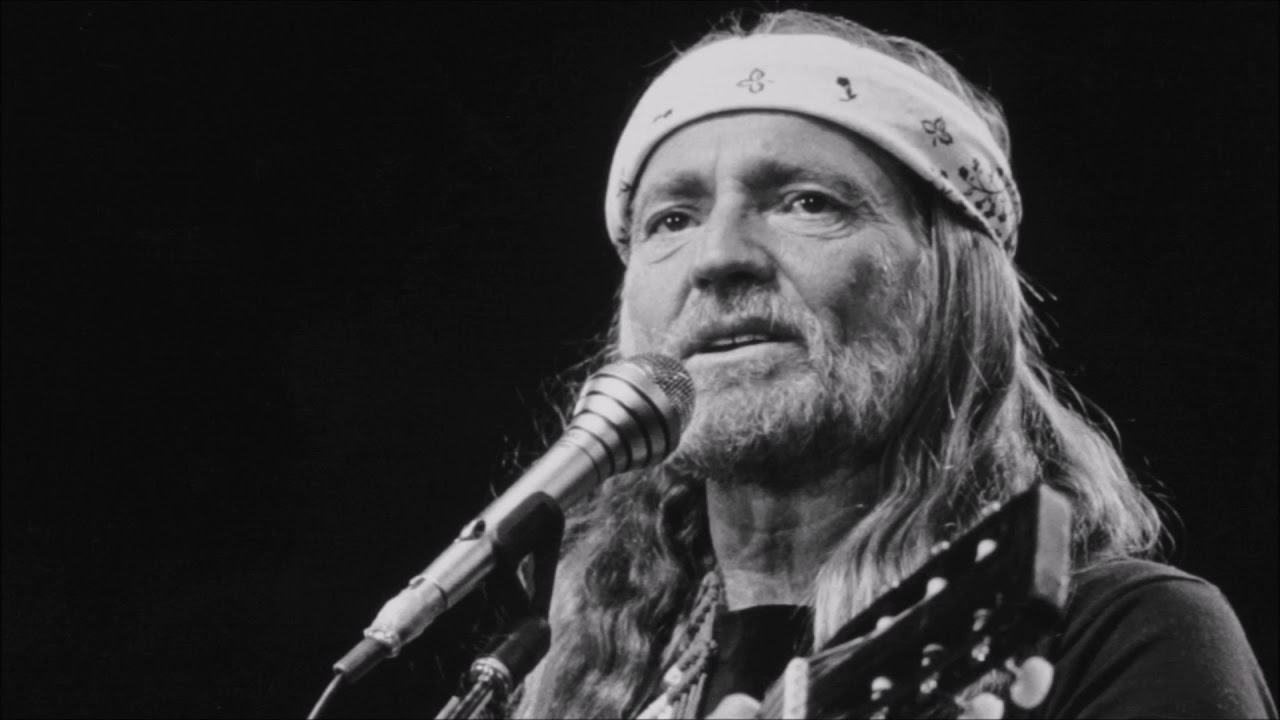
What makes this specific number one record significant is the paradigm it shifts regarding the “sunset years” of a musical icon. While many legacy acts rely on archival releases or holographic tours, Nelson is producing new material that competes—and wins—against contemporary heavyweights. The Americana Airplay chart, which tracks the pulse of a genre defined by its reverence for tradition and innovation, has signaled that Nelson’s voice is not a relic of the past but a necessary component of the present. His ability to interpret the work of writers like Crowell while contributing his own original compositions ensures that the “Willie Nelson sound” remains an evolving organism.
As the industry analyzes this latest feat, the focus remains on Nelson’s uncanny technical precision. Despite the inevitable weathering of time, his phrasing remains as fluid and unpredictable as a jazz soloist’s, a nuance that has only deepened with age. By claiming the top spot this week, Nelson has effectively silenced the notion that artistic relevance has an expiration date. He continues to operate not as a passenger of his own legacy, but as its primary architect, moving forward with the same quiet intensity that first brought him to Austin decades ago.