 By admin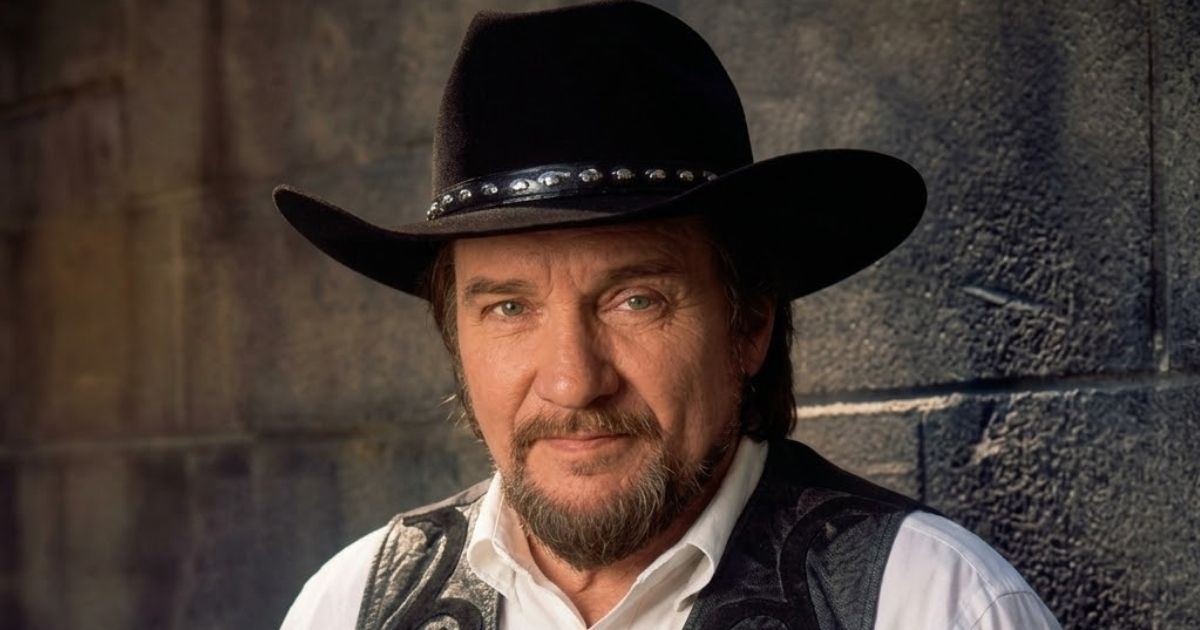
About the song
In the twilight of the 20th century, as country music shifted toward a more polished, radio-friendly sound, the legendary Waylon Jennings remained a steadfast bastion of grit and honesty. His 1990 single “Wrong” is a quintessential example of Outlaw Country flavored with a touch of Country Rock. Released as the lead single from his album The Eagle, the song serves as a masterful showcase of the wit, weariness, and wisdom that defined Jennings’ late-career resurgence.
Composition and Sonic Texture
“Wrong” is built upon the foundational “Waylon beat”—that steady, driving rhythm that feels like a freight train rolling through the night. The track features:
-
The “Telecaster” Twang: Waylon’s signature leather-wrapped Fender Telecaster provides sharp, biting fills that cut through the arrangement with surgical precision.
-
A Groovier Tempo: Unlike his slower ballads, “Wrong” carries a mid-tempo, bluesy swagger that encourages a foot-tap while delivering a lyrical gut-punch.
-
Weathered Vocal Authority: By 1990, Jennings’ voice had a rich, gravelly texture. He delivers the song with a deadpan, conversational tone that makes the listener feel like they are sharing a drink with an old friend who has seen it all.

Lyrical Narrative: The Anatomy of a Mistake
Written by Steve Seskin and Andre Pessis, “Wrong” is a humorous yet poignant exploration of a relationship gone south. The lyrics detail a series of red flags and poor decisions, with the narrator admitting that everything—from the first meeting to the final goodbye—was fundamentally “wrong.” The chorus, with its clever play on words and self-deprecating humor, highlights the irony of a man who is “right at being wrong.” It captures the moment of clarity that comes after the smoke of a bad romance clears, delivered with the shrug of a man who isn’t afraid to own his blunders.
Legacy and Impact
Upon its release, “Wrong” climbed into the Top 10 of the Billboard Hot Country Songs chart, proving that the Outlaw movement still had significant commercial teeth. It remains a fan favorite because it avoids the melodrama of typical heartbreak songs, opting instead for a cynical, “tell-it-like-it-is” perspective. For listeners today, the track stands as a testament to Waylon Jennings’ ability to remain authentic and cool, even when singing about his own shortcomings.